Polyvinyl Butyral | 63148-65-2
Cas No :
63148-65-2
Synonyms :
Form :
Solid
Molecular Weight :
120000 g/mol
Molecular Formula :
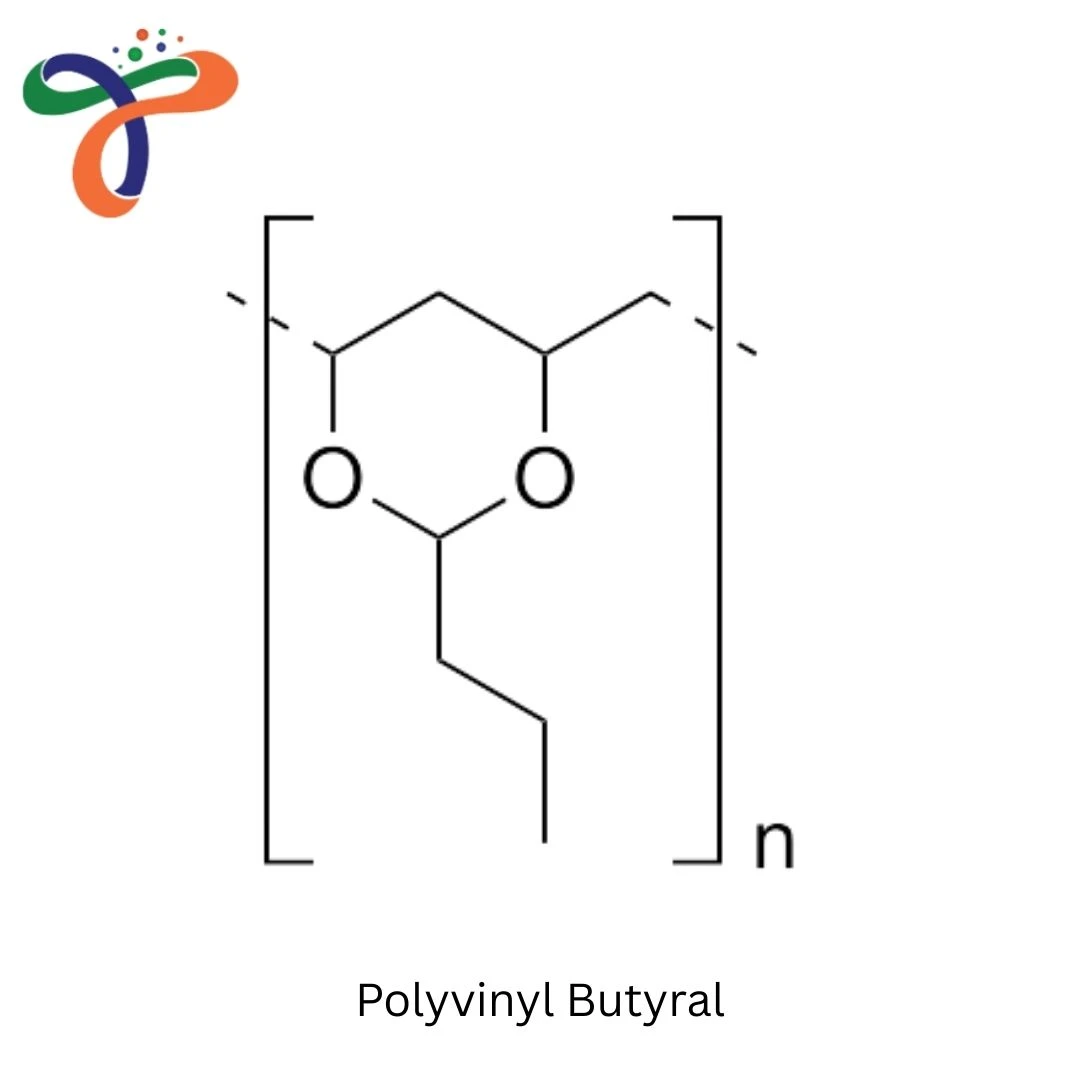
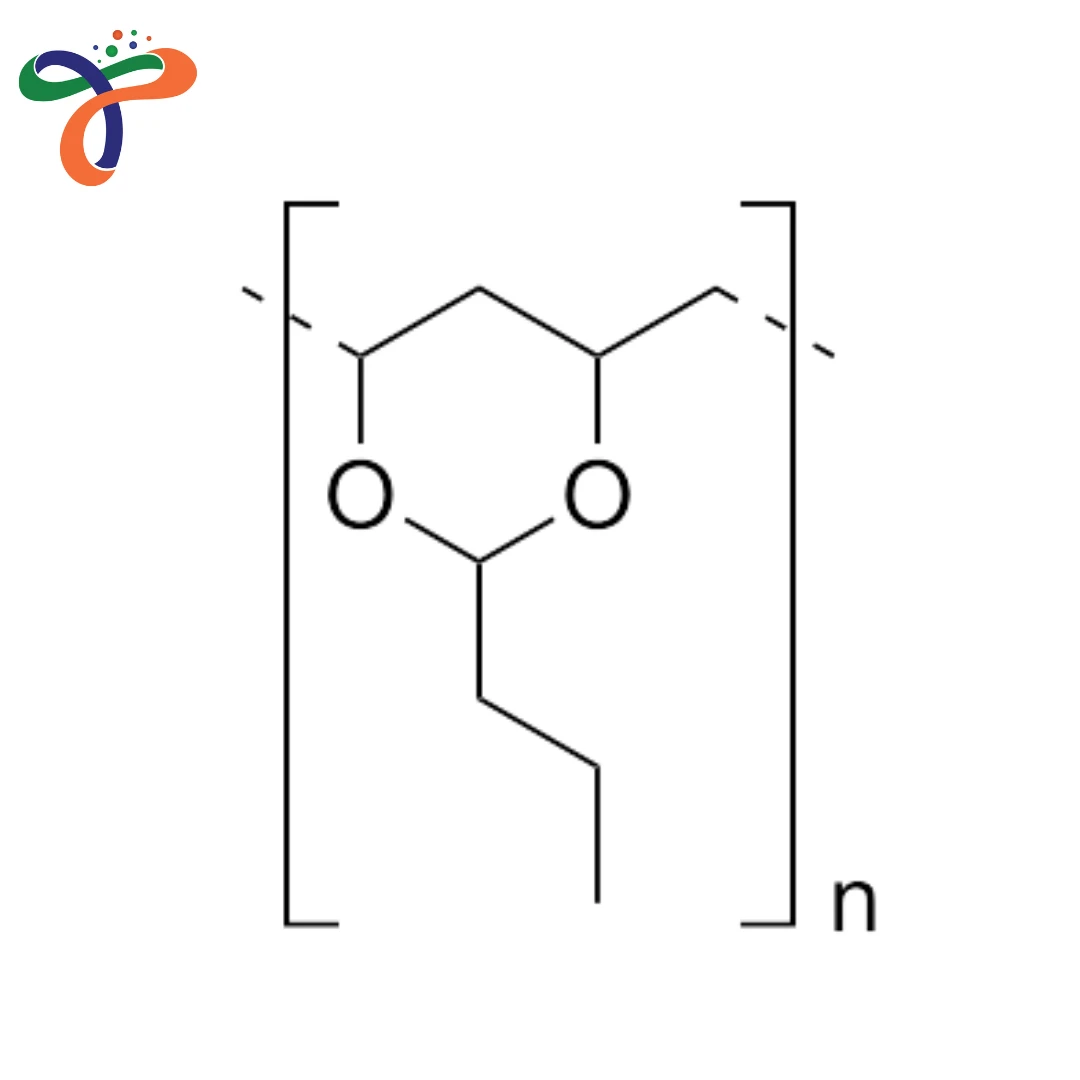
(C8H14O2)N
Boiling Point :
400 °c
Flash Point :
230 °c
Solubility :
Soluble In Acetone, Mek, And Tetrahydrofuran; Insoluble In Water
Description :
Polyvinyl Butyral Supplier and Exporter for the USA
Chemical Bull is a Polyvinyl Butyral supplier, distributor, wholesaler, and exporter for the USA, supporting commercial sourcing requirements for coatings, printing inks, adhesives, ceramic binders, and laminated-glass interlayer manufacturing.
Polyvinyl Butyral, commonly abbreviated as PVB, is a thermoplastic resin valued for its adhesion, film formation, binding strength, and optical transparency. USA manufacturers evaluate PVB based on molecular weight, solution viscosity, hydroxyl content, moisture, compatibility, COA, SDS, and batch consistency.
Quick Answer
Polyvinyl Butyral, CAS 63148-65-2, is a thermoplastic resin used in coatings, printing inks, adhesives, ceramic binders, and laminated-glass interlayers. Grades differ in molecular weight, hydroxyl content, and solution viscosity. Buyers should specify whether they require raw PVB resin or a formulated interlayer film for their application.
What Is Polyvinyl Butyral?
Polyvinyl Butyral is produced by reacting Polyvinyl Alcohol with butyraldehyde under controlled conditions.
Commercial PVB contains butyral groups alongside residual hydroxyl and acetate groups. Their proportions influence adhesion, solvent compatibility, moisture response, and formulation performance.
PVB resin is available in forms such as powder or granules, depending on the grade. Formulated PVB films are separate products manufactured for specific applications, including laminated glass.
PVB is commonly sourced by coating manufacturers, printing ink producers, adhesive formulators, technical ceramic companies, interlayer manufacturers, and industrial procurement teams.
Polyvinyl Butyral Product Information
Product Name: Polyvinyl Butyral
Common Abbreviation: PVB
CAS Number: 63148-65-2
Primary Functions: Film-forming resin, adhesive binder, and temporary ceramic binder
Confirm product form, solution viscosity, hydroxyl content, moisture, and grade-specific properties from the supplied TDS and COA.
Polyvinyl Butyral Applications for Industrial Manufacturing
Protective Coatings and Primers
PVB is used as a binder or adhesion-promoting resin in selected coatings and metal primers.
Formulators evaluate substrate adhesion, solvent compatibility, pigment incorporation, and film properties. Corrosion protection depends on the complete coating system and surface preparation.
Printing Ink Formulations
Polyvinyl Butyral is used as a film-forming binder in selected printing inks.
Its binding and pigment-wetting properties support suitable ink formulations. Manufacturers should match resin viscosity and solvent selection to printing conditions, substrate adhesion, and drying requirements.
Adhesive Manufacturing
PVB is used in selected industrial adhesive and bonding formulations.
Formulators combine suitable grades with compatible plasticizers, resins, and additives to achieve the required bond properties. Adhesion, flexibility, and heat resistance should be evaluated for the intended substrates.
Technical Ceramic Binders
Polyvinyl Butyral is used as a temporary binder in ceramic forming and tape-casting processes.
It helps hold ceramic particles together before firing. Manufacturers should assess slurry compatibility, green strength, flexibility, and binder-removal behavior according to their ceramic process.
Laminated-Glass Interlayer Manufacturing
Suitable PVB resin grades are used to manufacture plasticized interlayer films for laminated glass.
Interlayer producers control resin composition, plasticizer content, moisture, and film quality. Raw PVB resin must be formulated and processed into an appropriate film before glass lamination.
Pigment Preparations and Dispersions
Selected PVB grades are used in predispersed pigment preparations for inks and coatings.
Manufacturers evaluate pigment wetting, dispersion stability, viscosity, and compatibility with the final formulation. Performance depends on the pigment, solvent system, and resin grade.
Why Manufacturers Source Polyvinyl Butyral
Useful Adhesion Properties
PVB provides adhesion and binding performance in compatible coating, ink, and adhesive systems.
Film-Forming Capability
Suitable grades form continuous films with properties that can be adjusted through resin selection and formulation.
Strong Binding Function
PVB supports pigment binding and temporary particle binding in selected ink, coating, and ceramic applications.
Application-Specific Grade Options
Different molecular weights and hydroxyl contents allow manufacturers to select PVB according to processing and finished-product requirements.
Polyvinyl Butyral Supplier for USA Manufacturers
When comparing a Polyvinyl Butyral supplier for the USA, procurement teams should review product form, solution viscosity, hydroxyl content, residual acetate content, moisture, and batch consistency.
Viscosity comparisons should use the same solvent, concentration, temperature, and test method. A grade name or viscosity value alone may not establish equivalence.
Chemical Bull supports commercial sourcing enquiries from coating companies, ink manufacturers, adhesive formulators, ceramic producers, interlayer manufacturers, and distributors across the United States.
Related Polymer and Formulation Chemicals
Manufacturers sourcing Polyvinyl Butyral may also explore Polyvinyl Alcohol, Polyvinyl Acetate, and Epoxy Resin.
These materials have different chemical structures and formulation roles. Selection should follow the intended manufacturing process and technical specification.
Polyvinyl Butyral SDS and Documentation
Chemical Bull can provide available Polyvinyl Butyral SDS, COA, TDS, and product specifications with commercial supply enquiries.
Buyers should follow the supplied documentation for handling, storage, and processing. Protect the material from moisture and contamination according to grade-specific instructions.
Applications involving food packaging or specialized glass systems require confirmation of the exact grade’s suitability and supporting documentation.
Buy Polyvinyl Butyral in Bulk for the USA
Chemical Bull supports bulk Polyvinyl Butyral resin sourcing for industrial manufacturers, formulators, distributors, and procurement teams.
PVB pricing depends on grade, specification, product form, quantity, packaging, and delivery terms. Include your approved technical requirements and purchasing schedule when requesting a quotation.
Frequently Asked Questions
-
What is Polyvinyl Butyral?
Polyvinyl Butyral, or PVB, is a thermoplastic resin used for adhesion, film formation, and binding in selected industrial formulations.
-
What is the CAS number of Polyvinyl Butyral?
The CAS number of Polyvinyl Butyral is 63148-65-2.
-
What is PVB used for?
PVB is used in coatings, printing inks, adhesives, temporary ceramic binders, pigment preparations, and laminated-glass interlayer manufacturing.
-
Are PVB resin and PVB interlayer film the same product?
No. PVB resin is a polymer raw material. An interlayer film is a formulated and processed product made for a specified glass-lamination application.
-
What should buyers check before purchasing PVB?
Confirm product form, solution viscosity and test conditions, hydroxyl content, moisture, solvent compatibility, application requirements, COA, SDS, and packaging.
-
Can Chemical Bull support bulk PVB supply for the USA?
Chemical Bull supports commercial PVB resin sourcing enquiries for USA manufacturers and distributors. Share your specification, quantity, application, and destination to confirm availability and quotation terms.