Aibn (azobisisobutyronitrile) | 78-67-1
Cas No :
78-67-1
Synonyms :
Form :
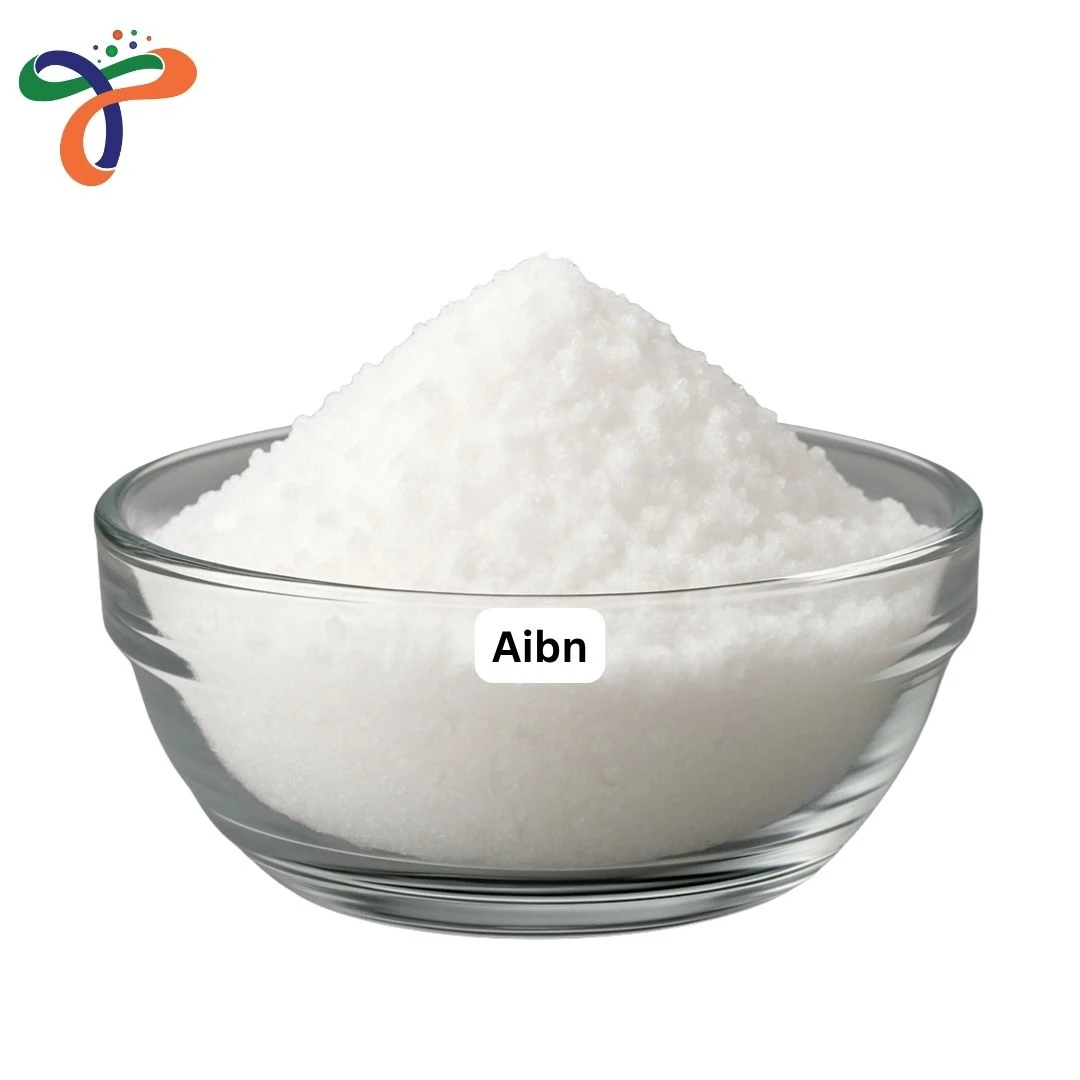
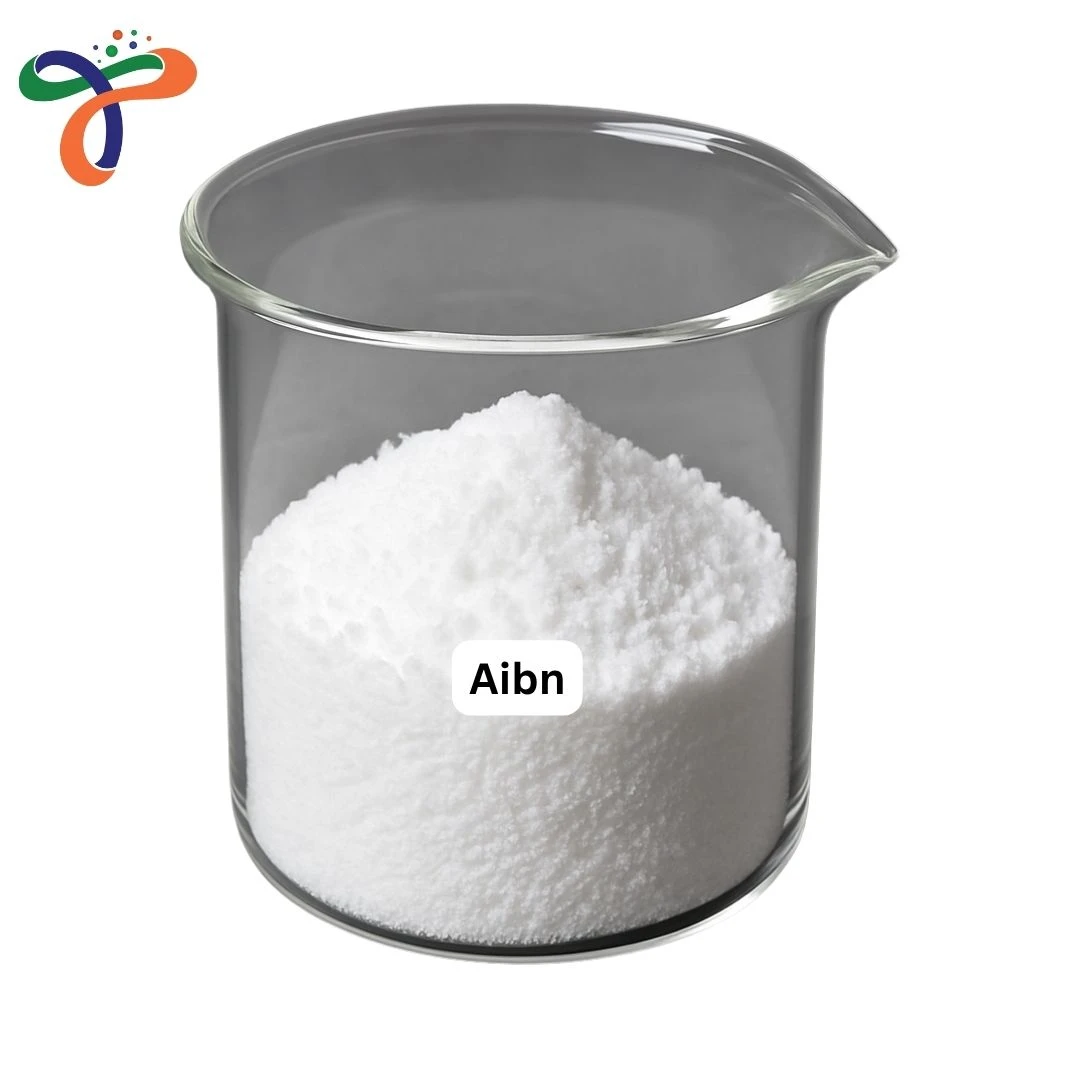
Powder
Molecular Weight :
164.22 G/mol
Molecular Formula :
C8H12N4
Boiling Point :
126 °c
Melting Point :
67 °c
Flash Point :
120 °c
Solubility :
Soluble In Acetone, Benzene, And Chloroform; Insoluble In Water.
Description :
AIBN (Azobisisobutyronitrile) Supplier and Exporter for the USA
Chemical Bull is a trusted AIBN supplier, distributor, wholesaler, and exporter for the USA, supplying commercial requirements for polymerization, acrylic resins, styrenic polymers, specialty copolymers, coatings, adhesives, and chemical synthesis.
AIBN (Azobisisobutyronitrile) is an azo compound widely used as a free-radical polymerization initiator in selected monomer and resin systems. USA manufacturers commonly evaluate AIBN based on purity, decomposition characteristics, active content, stability, particle characteristics, packaging, COA, SDS, and batch consistency.
Quick Answer
AIBN is mainly used as a free-radical initiator for acrylic, methacrylic, styrenic, vinyl, and specialty polymerization systems.
Submit a bulk enquiry with your required grade, purity, quantity, application, packaging, and USA delivery destination to receive availability and commercial pricing.
What Is AIBN?
AIBN, or Azobisisobutyronitrile, is an azo-based organic compound used primarily as a thermal free-radical initiator in polymerization reactions.
When heated under suitable controlled conditions, AIBN decomposes to generate free radicals that can initiate polymerization of compatible monomers.
AIBN is commonly sourced by acrylic resin manufacturers, styrenic polymer producers, specialty copolymer companies, coating businesses, adhesive manufacturers, research and development teams, specialty chemical producers, distributors, and industrial procurement teams.
AIBN Product Information
Product Name: AIBN
Full Name: Azobisisobutyronitrile
Chemical Type: Azo Compound / Free-Radical Initiator
Primary Functions: Polymerization initiator, radical source, specialty synthesis reagent, and polymer-processing intermediate
Main Industries: Acrylic resins, methacrylate polymers, styrenic polymers, vinyl polymers, coatings, adhesives, and specialty chemicals
Commercial specifications can vary according to purity, active content, decomposition behavior, stability, and intended polymerization system. Buyers should review the supplied COA, SDS, and technical specification before commercial approval.
AIBN Applications for Industrial Manufacturing
Acrylic Polymer Manufacturing
AIBN is widely used as a free-radical initiator in acrylic polymerization.
It can be used in selected formulations involving acrylic monomers where controlled radical generation is required to start polymer formation.
Methacrylate Polymerization
AIBN is commonly used in selected methacrylate monomer and resin systems.
Its thermal decomposition behavior makes it suitable for polymerization processes where manufacturers require an azo-based radical initiator.
Styrenic Polymer Systems
AIBN may be used in selected styrene and styrenic copolymer manufacturing.
Manufacturers typically evaluate initiator level, reaction temperature, monomer composition, molecular-weight targets, and finished-polymer performance.
Vinyl Polymerization
AIBN may be used in selected vinyl monomer polymerization systems.
Its suitability depends on monomer chemistry, processing method, reaction conditions, and the required polymer architecture.
Specialty Copolymer Manufacturing
AIBN is used in selected copolymer and specialty resin manufacturing.
It can help initiate polymerization where manufacturers require controlled free-radical generation for compatible monomer combinations.
Coatings and Resin Production
AIBN may be used upstream in the manufacture of selected coating resins and functional polymers.
Its role is primarily related to polymerization chemistry rather than direct use in the final coating formulation.
Adhesive Polymer Manufacturing
AIBN may be used in selected adhesive polymer and pressure-sensitive adhesive resin manufacturing.
The required initiator system depends on monomer selection, polymerization process, molecular-weight target, and finished adhesive performance.
Specialty Chemical Synthesis
AIBN is also used as a radical source in selected specialty organic synthesis and functional material manufacturing.
The required grade should be matched to purity, stability, reaction conditions, and downstream product specifications.
Why Manufacturers Source AIBN
Reliable Free-Radical Initiator
AIBN is widely used in polymer chemistry as a thermal source of free radicals for compatible monomer systems.
Useful Across Multiple Polymer Families
It is relevant to acrylic, methacrylic, styrenic, vinyl, and specialty copolymer manufacturing.
Supports Controlled Polymerization
Manufacturers can select suitable reaction conditions and initiator levels to help achieve targeted polymerization behavior and molecular-weight characteristics.
Important for Resin Manufacturing
AIBN is commonly associated with production of specialty resins used in coatings, adhesives, and functional polymer systems.
Suitable for Commercial Procurement
AIBN can be sourced for commercial and recurring industrial requirements subject to appropriate handling, temperature control, storage, packaging, and transportation requirements.
AIBN Supplier for USA Manufacturers
When comparing an AIBN supplier for the USA, procurement teams should review purity, active content, decomposition characteristics, stability, batch consistency, COA, SDS availability, packaging, storage requirements, transportation controls, lead time, and recurring supply capability.
Chemical Bull supports commercial requirements for acrylic resin manufacturers, methacrylate polymer producers, styrenic resin companies, adhesive manufacturers, coating resin businesses, specialty copolymer producers, distributors, and procurement teams across the United States.
Related Polymerization and Acrylic Chemicals
Manufacturers sourcing AIBN for polymerization and specialty resin applications may also explore Acrylic Acid, 2-Ethylhexyl Acrylate, Glycidyl Methacrylate, and 2-Ethylhexyl Methacrylate.
These related materials are commonly used across acrylic polymers, methacrylate resins, coatings, adhesives, copolymers, and specialty polymer manufacturing.
AIBN SDS and Documentation
AIBN is a thermally sensitive azo compound and requires controlled handling and storage. USA buyers should review the latest supplier-issued AIBN SDS before handling, storage, transportation, polymerization, or commercial use.
Chemical Bull can provide available COA, SDS, product specifications, and technical documentation with commercial supply enquiries.
Buyers should confirm purity, active content, decomposition characteristics, storage-temperature requirements, packaging, transport controls, workplace precautions, and application-specific specifications before commercial approval.
Buy AIBN in Bulk for the USA
Chemical Bull supports bulk AIBN requirements for acrylic and methacrylic polymer manufacturers, styrenic resin producers, adhesive businesses, coating resin manufacturers, specialty copolymer companies, distributors, and industrial procurement teams.
Share your required grade, purity, polymerization application, quantity, packaging preference, documentation requirements, and USA delivery destination to receive availability and a customized quotation.
Frequently Asked Questions
-
What is AIBN?
AIBN, or Azobisisobutyronitrile, is an azo compound used mainly as a thermal free-radical initiator in acrylic, methacrylic, styrenic, vinyl, and specialty polymerization systems.
-
What is AIBN used for?
AIBN is mainly used in acrylic resins, methacrylate polymers, styrenic polymers, vinyl polymers, specialty copolymers, coating resins, and adhesive polymer manufacturing.
-
Why is AIBN used as a polymerization initiator?
Under suitable controlled conditions, AIBN decomposes to generate free radicals that can initiate polymerization of compatible monomers.
-
What should buyers check before purchasing AIBN?
Buyers should review purity, active content, decomposition characteristics, stability, COA, SDS, packaging, storage-temperature requirements, transportation controls, and batch consistency.
-
Can Chemical Bull support bulk AIBN supply in the USA?
Yes. Chemical Bull supports commercial AIBN requirements for polymer, resin, coating, adhesive, and specialty chemical manufacturers across the United States, subject to applicable storage, handling, and transportation requirements.